Bri Shafer did not grow up in a horse family, developed a deep passion for horses at a young age, often watching horse movies and pretending her bicycle was a horse. Shafer's interest in horses was nurtured by her grandmother, who would drive her around the backroads of Iowa to feed horses carrots. Recognizing her passion was more than a phase, Shafer's parents arranged for her to spend time at a friend's barn, where she helped with and rode rope horses. Bri dedicated her after-school hours to working at the barn with about 20 horses, where she would saddle and ride 3-4 horses each night. After a few months, she began learning barrel racing from the wife, this was a significant turning point in her life. She was deeply influenced by the couple, who participated in the Great Lakes PRCA circuit and amateur rodeos across Iowa and neighboring states. Accompanying them for several years, Shafer was exposed to the travel and atmosphere of rodeo, where she developed her own goals and dreams in the sport.
At 15, Bri received her first barrel horse and a steel bumper pull from her parents, allowing her to start competing independently by age 16. She credits her success in amateur rodeo and her ability to fund her college rodeo career to several exceptional horses. This path in rodeo not only paved her way through college but also led to meeting her husband, and a move to Ohio. Though she occasionally participates in jackpots and super shows, Shafer's true passion remains rooted in the rodeo circuit.
Shafer balances a busy home life, including homeschooling her children, with maintaining a consistent riding schedule for her horses. Despite the challenge of keeping up with family and farm duties, she strives to ride five days a week to keep her horses in shape. Shafer's approach to training focuses on mental freshness and variety. She prefers riding in pastures and engaging in exercises like circling trees or using a barrel in the field, rather than repetitive arena drills. Bri's daily routine involves her children engaging with ponies while she rides her barrel horses. The family also rope in the evenings. Shafer's schedule is especially busy during the summer, with frequent travel for rodeos on weekdays and weekends. When at home, she allows her horses a day of rest before resuming regular riding sessions.
Particularly with her roan mare, "Miss Smart Dash," who tends to get overexcited, Shafer avoids spending excessive time in the arena. When arena work is necessary, she utilizes the "4 barrel drill," which allows her to work on rate and other aspects without relying on the standard pattern. Shafer emphasizes the importance of addressing issues by returning to basics, and believes that making multiple runs in the arena is sometimes counterproductive. She advocates for a training approach that balances physical conditioning with mental well-being for the horses.
Bri believes that maintaining a strong mental game is crucial while on the road, emphasizing the importance of ignoring pressure and judgments. Shafer acknowledges the challenge of staying motivated, especially when balancing responsibilities at home. Over the past year, she has focused on improving her mental toughness, understanding that staying positive is key, even when you aren't winning. Preparation, confidence in her abilities and her horses, and addressing any doubts head-on are key strategies.
Bri has learned the importance of surrounding herself with positive people, especially while traveling for rodeos. She values those who provide genuine encouragement and maintain a positive mindset about their own performances. Shafer believes in the idea that winners hang with winners, and emphasizes the need for a supportive environment, especially during challenging times. In instances where success seems elusive, the presence of optimistic, successful individuals can be crucial. For Shafer, a reliable support system, having at least two people she can haul with or call for motivation, is essential. Shafer's husband plays a significant role as her primary supporter, contributing positively to her mindset. Recognizing achievements in each run, even if they are not winning or perfect, helps her stay positive. She focuses on identifying two aspects of a run that went well or showed improvement.
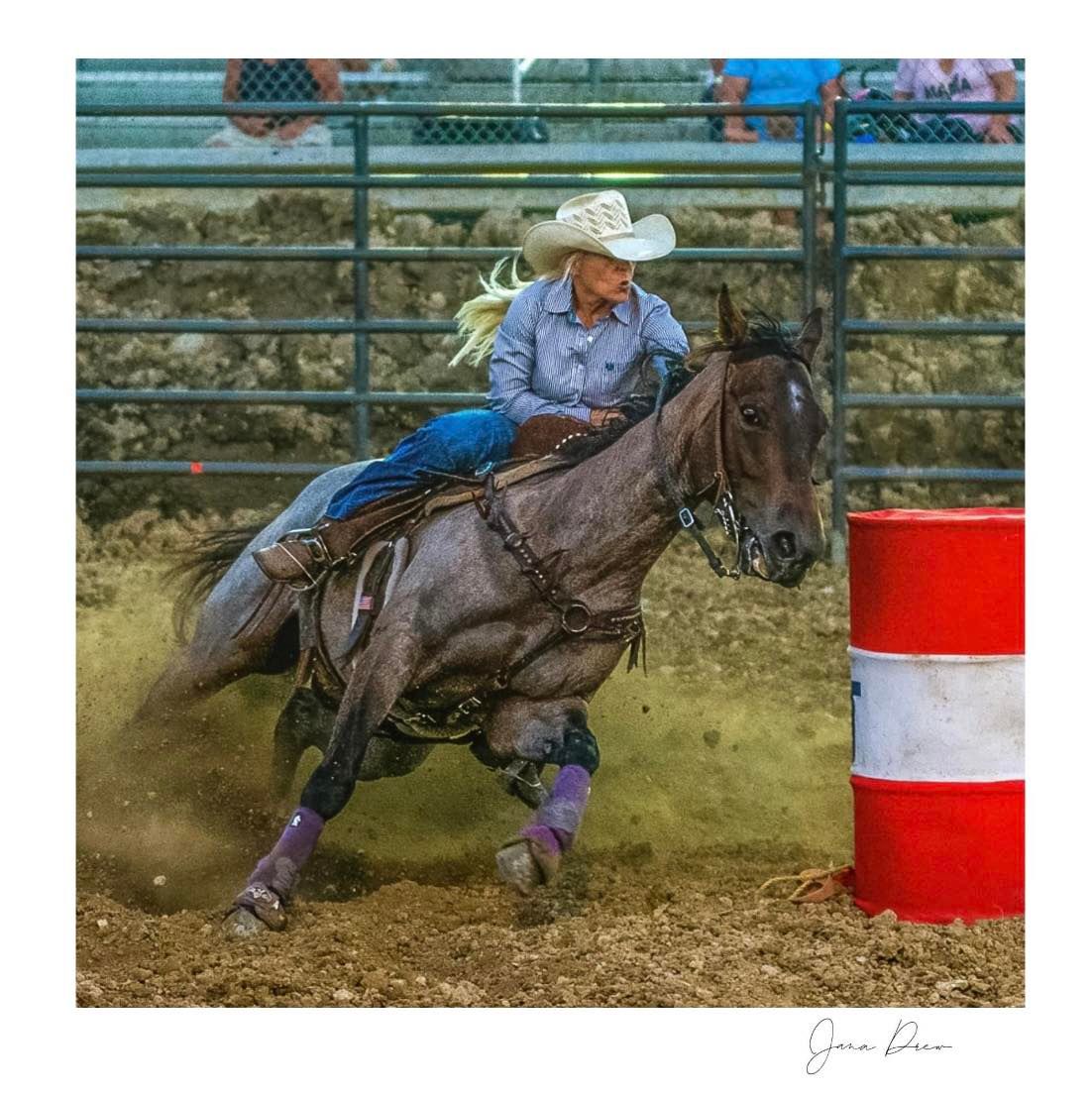
When asked what horse that could be considered a "diamond in the rough," Bri Shafer believes there are many such horses. She has observed numerous horses, some from sale barns or pastures without notable bloodlines, transform into winners at various levels. Shafer shares the story of her roan mare, Scarlet, who was a lesser-known horse, given a chance and emerged as an underdog. Scarlet qualified for and competed in the 2022 American Rodeo Contender Race at AT&T Stadium, going on to win multiple rodeos and establishing herself as a solid rodeo horse. Without the opportunity to prove herself, Scarlet's potential might have remained undiscovered. Shafer emphasizes that creating successful rodeo horses takes time, often years of training and seasoning. She believes that with the right rider and horse combination, along with patience and determination, there are more "diamonds in the rough" in the equestrian world than one might think.
When asked about her criteria for purchasing a horse suitable for rodeo competition, Bri expresses that rodeo horses have distinct requirements compared to those used for jackpots or open shows. She notes that top rodeo horses might not always excel in super shows, and vice versa, with some 1D horses struggling at rodeos. For Shafer, a horse that consistently performs well in both settings is an exceptional athlete.
Shafer emphasizes that rodeo presents unique challenges: traveling from one location to another, often competing twice in one day, dealing with late nights and early mornings, and facing various weather conditions and arena sizes without the benefit of practice runs, often no stalls to unwind, or perfectly groomed dirt. Additionally, rodeo horses must cope with various other elements, sometimes standing in the rain, and being exposed to bright lights, parades, crowds, fireworks, and cattle. According to Shafer, it takes years to develop and season a rodeo horse, but she believes you can gauge a horse's potential for success in rodeo by observing its mindset, and adaptability.
Bri candidly reveals that she prefers not to undertake the process of "seasoning" a rodeo horse herself. She has had the opportunity to purchase already seasoned horses and is grateful for that. When looking for a horse, Shafer's primary focus is on its rodeo performance history. She examines where the horse has succeeded or struggled, paying special attention to the sizes of the pens in which they have competed, as pen sizes can vary significantly in her region. She considers whether a horse performs better in smaller 12-second track pens or larger 15-16 second pens.
Additionally, Shafer assesses the horse's running style and its ability to maintain stability on different types of ground. Since rodeo horses need to adapt to various conditions, from shallow, hard surfaces to deep or muddy grounds, she looks for horses that can handle this range of terrains. This selection process ties back to the importance of mental preparation and understanding the specific conditions of each rodeo, such as ground and arena characteristics, to choose the most suitable horse for each event.
Shafer often stresses the understanding of specific needs of each horse she considers investing in, particularly in terms of the required tuning time or riding time between runs. She has experienced working with a variety of horses, from those that need daily tuning to stay solid, to those that simply need to be kept in shape. Shafer believes it's crucial for riders to consider how much time they can realistically dedicate to working with the horse they are considering. She also emphasizes that riding style and abilities vary greatly among individuals, and this diversity does not necessarily rank one person or horse above another. She advises riders to gauge whether a horse's attributes align with their personal goals and abilities. Shafer also encourages riders not to hesitate in moving on from a horse if the partnership is not working out, understanding that what suits one person may not be the right fit for another. This goes beyond just considering the horse's price tag or competitive record.
"Always remember- park smart, be respectful, and always help others because the rodeo road is tiring but it’s worth it. "